ID
 EN


Don’t Just Store Your Health Checkup Results, Here Is How to Read Them
Health checkups help identify disease risks before symptoms appear. However, test results should not merely be viewed and stored away. Understanding these figures is essential to take appropriate follow-up actions. Through free health checkup programs, the public can access age-appropriate screenings, including blood pressure, blood glucose, kidney function, vision, hearing, dental, and mental health evaluations. These screenings aim to detect risk factors and conditions early.
Here is a straightforward guide to understanding several common health checkup parameters.
1. Blood Pressure
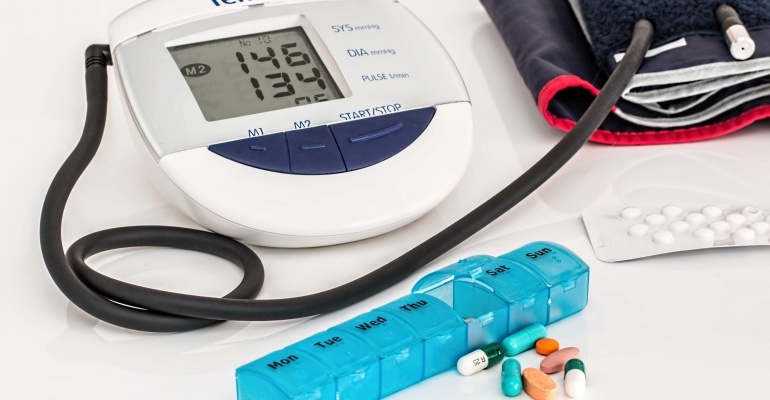
Blood pressure results are written as two numbers, for example, 120/80 mmHg. The first number indicates the pressure when the heart pumps blood (systolic), while the second shows the pressure when the heart rests between beats (diastolic). Blood pressure should ideally be maintained at or below 120/80 mmHg. Meanwhile, hypertension may be diagnosed if measurements on two different days consistently show 140/90 mmHg or higher.
A single high reading does not automatically indicate hypertension. Physical activity, stress, caffeine intake, pain, or insufficient rest prior to testing can temporarily affect results. If blood pressure remains high across repeated checks, consult a doctor or local health clinic even in the absence of symptoms. Hypertension often presents no warning signs, yet it increases the risk of heart disease, stroke, and kidney disorders.
2. Blood Glucose
Interpreting blood glucose levels depends on the type of test performed. For a fasting blood glucose test, standard guidelines are:
-
70–99 mg/dL: Normal range
-
100–125 mg/dL: Indicates prediabetes
-
126 mg/dL or higher: May indicate diabetes and requires confirmation by a healthcare provider
Additionally, an HbA1c test reflects average blood glucose levels over approximately the past three months. A single elevated blood sugar reading does not serve as a definitive diabetes diagnosis; physicians may recommend repeat testing or supplementary evaluations. Seek medical advice promptly if high blood glucose is accompanied by frequent thirst, increased urination, fatigue, unexplained weight loss, blurred vision, or slow-healing wounds.
3. Cholesterol
Cholesterol panel results typically include total cholesterol, LDL, HDL, and triglycerides. Generally, a total cholesterol level below 200 mg/dL serves as an initial benchmark. However, decisions should not rely on total cholesterol alone. Elevated LDL (bad cholesterol) increases the risk of arterial plaque accumulation, whereas HDL (good cholesterol) helps transport cholesterol back to the liver for processing. Target cholesterol levels vary by individual. Physicians evaluate factors such as age, blood pressure, diabetes status, smoking habits, kidney health, and cardiovascular history before determining appropriate personal targets.
4. Body Mass Index (BMI)
Body Mass Index (BMI) evaluates weight relative to height using the following formula:
For instance, a weight of 70 kg and a height of 1.65 meters yields a BMI of approximately 25.7 kg/m². According to standard classifications, a BMI under 18.5 is categorized as underweight, 25 or above indicates overweight, and 30 or above signifies obesity. BMI serves as a screening tool rather than a definitive diagnosis. Results should be interpreted alongside waist circumference, diet, physical activity, and overall health status. BMI interpretations also have limitations in athletes, pregnant women, and individuals with fluid retention.
What to Do Next?
Upon receiving health checkup results:
-
Archive results chronologically to track changes over time.
-
Take note of values outside the reference range, but avoid self-diagnosis.
-
Compare current figures with previous records to identify upward or downward trends.
-
Consult a physician or health center regarding abnormal results.
-
Implement gradual lifestyle adjustments, such as reducing intake of sugar, salt, and saturated fats, quitting smoking, and engaging in regular physical activity.
If test results exceed normal ranges, do not disregard them even if you feel healthy. The Ministry of Health of the Republic of Indonesia encourages the public to visit local health facilities for comprehensive evaluations. Routine health screening is only the first step; its true value lies in understanding the findings and taking action through lifestyle modifications, ongoing monitoring, or prescribed medical care.
Note: This article is for educational purposes only and does not replace professional medical advice, diagnosis, or treatment.
References
1. Ministry of Health of the Republic of Indonesia, Free Health Checkups at Zero Cost, February 13, 2025.
2. Ministry of Health of the Republic of Indonesia, Health Minister Encourages Workers to Routine Free Health Checks, June 23, 2026.
3. Directorate General of Advanced Health Services, Ministry of Health RI, Diabetes is Preventable! Check Blood Sugar Regularly, March 20, 2025.
4. World Health Organization, Hypertension, September 25, 2025.
5. World Health Organization, Body Mass Index.