ID
 EN


When Antibiotics No Longer Work
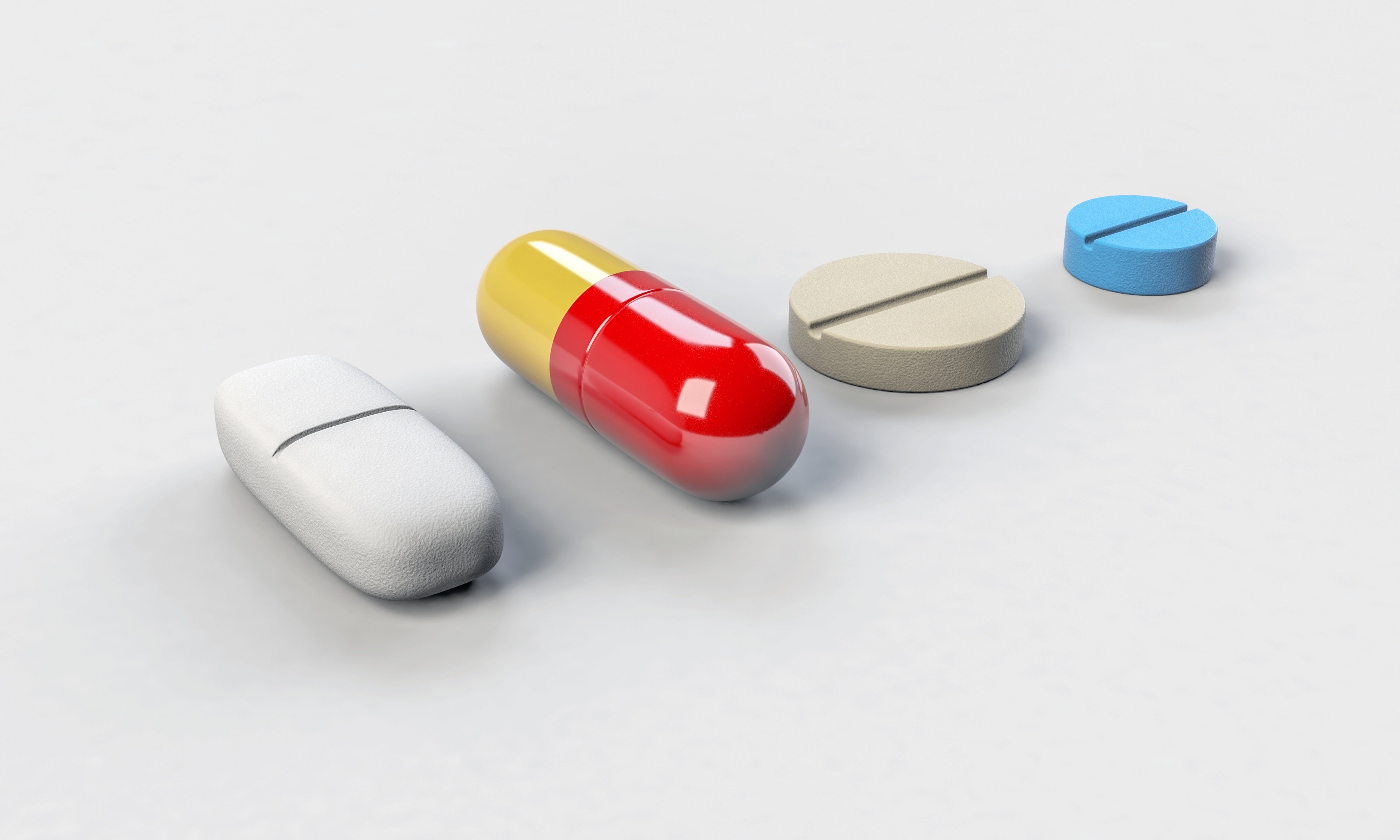
Today, antibiotics are a crucial breakthrough in global healthcare. Various bacterial infections that were once difficult to treat can now be managed effectively and affordably across all levels of society. However, what happens if one day antibiotics stop working as they should?
This threat is not just a distant possibility. The WHO reported that in 2023, approximately 1 in 6 laboratory-confirmed bacterial infections worldwide were resistant to antibiotics. This finding underscores that AMR has become a tangible challenge for global public health.
What Exactly Is AMR?
Antimicrobial resistance (AMR) occurs when microorganisms survive exposure to therapeutic doses of antimicrobial agents. Consequently, medications that were previously effective in treating infections become less potent or completely ineffective. As a result, infections become increasingly difficult to manage—and potentially untreatable—raising the risks of disease transmission, severe complications, disability, and mortality.
It is important to clarify that the human body does not become immune to antibiotics; rather, the infection-causing microorganisms develop resistance to the drugs. While this resistance can occur naturally through genetic changes, the misuse and overuse of antimicrobials significantly accelerate the process.
Which Habits Accelerate Resistance?
The misuse and overuse of antimicrobials represent a primary driver in the development and spread of AMR. Using medications unnecessarily or choosing the wrong type can create selective pressure, allowing resistant microorganisms to survive and thrive.
Habits to avoid include:
-
Using antibiotics without a doctor's prescription or medical indication.
-
Taking antibiotics for viral infections, such as the flu and most common colds.
-
Deviating from the dosage or duration prescribed by a healthcare professional.
-
Reusing leftover antibiotics or sharing them with others.
The Ministry of Health of the Republic of Indonesia (MoH RI) urges the public to use antibiotics only when prescribed by a doctor, strictly adhere to the dosage and duration guidelines, and avoid using unprescribed or leftover medications.
What Is the Impact of AMR?
AMR makes infections harder to treat, increases the risk of disease transmission, worsens patient outcomes, and elevates mortality rates. Resistance also narrows the range of available treatment options for healthcare providers.
The repercussions extend beyond the individual level to burden healthcare systems. Resistant infections lead to prolonged hospital stays, an increased need for intensive care, and higher medical costs. Furthermore, AMR elevates complication risks during standard medical procedures, such as surgeries.
What Actionable Steps Can We Take?
Key preventive measures include:
-
Use antibiotics strictly based on a doctor’s prescription.
-
Follow medical instructions regarding dosage, schedule, and duration.
-
Do not use antibiotics for viral illnesses.
-
Never share or reuse leftover antibiotics.
-
Practice good hygiene habits, including regular handwashing.
-
Stay up-to-date with recommended vaccinations.
These measures align with recommendations from the WHO and MoH RI to reduce infection risks and promote prudent antimicrobial use.
Responsible antibiotic use does not mean avoiding them entirely; it means using them appropriately when medically necessary and guided by healthcare professionals. AMR reminds us that safeguarding health relies not only on discovering new medicines, but also on preserving the efficacy of the ones we have.
References:
1. World Health Organization. (2025). Antimicrobial Resistance.
https://www.who.int/news-room/fact-sheets/detail/antimicrobial-resistance
2. World Health Organization. (2025). WHO Warns of Widespread Resistance to Common Antibiotics Worldwide. https://www.who.int/news/item/13-10-2025-who-warns-of-widespread-resistance-to-common-antibiotics-worldwide
3. World Health Organization. (2025). Global Antibiotic Resistance Surveillance Report 2025. https://www.who.int/publications/i/item/9789240116337
4. Ministry of Health of the Republic of Indonesia. (2024). Waspada Bakteri Kebal Antibiotik.
https://www.kemkes.go.id/eng/waspada-bakteri-kebal-antibiotik
5. Ministry of Health of the Republic of Indonesia. (2024). Kenali Lebih Dalam Resistansi AMR.
https://www.kemkes.go.id/id/kenali-lebih-dalam-resistansi-amr
6. Ministry of Health of the Republic of Indonesia. (2024). Konsumsi Antibiotik Wajib Sesuai Indikasi Medis. https://www.kemkes.go.id/id/konsumsi-antibiotik-wajib-sesuai-indikasi-medis