ID
ID
 EN
EN


HPV Infection: Symptoms, Causes, and How to Prevent Cervical Cancer
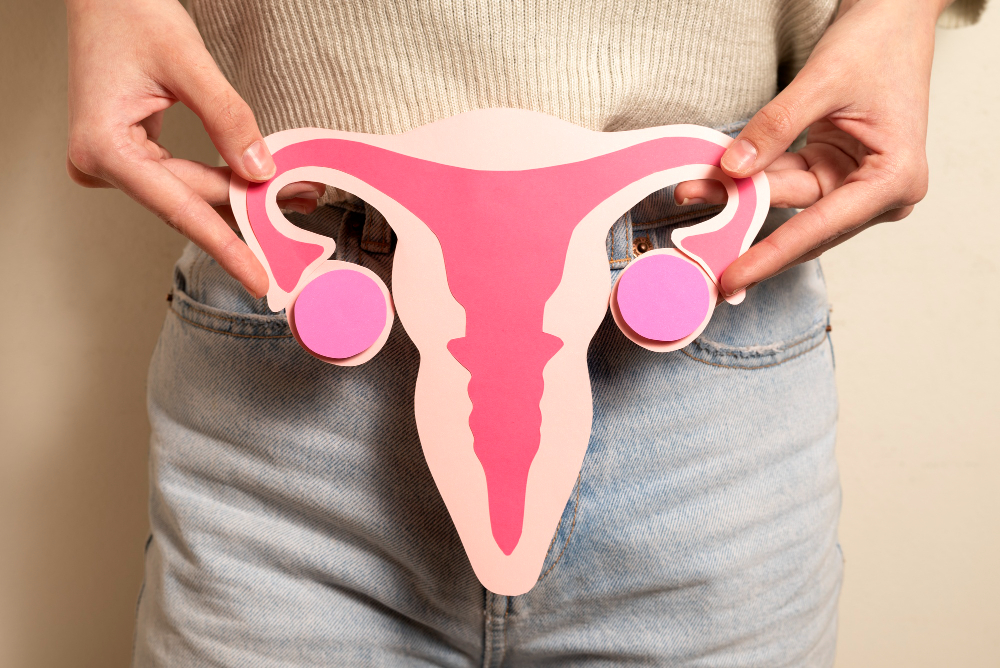
What Is Human Papillomavirus (HPV)?
Human Papillomavirus (HPV) is a group of viruses that commonly infect the skin and mucous membranes, especially in the genital area. Most HPV infections are harmless and resolve on their own, but certain high-risk types can cause serious health problems, including cervical cancer.
HPV is one of the most common viral infections worldwide. Many people who carry the virus are unaware they have it because symptoms are often absent. This silent nature makes HPV particularly dangerous, as long-term infections may lead to cancer years or even decades later.
According to the World Health Organization (WHO), HPV is not only a women’s health issue. HPV was estimated to cause approximately 620.000 cancer cases in women and 70.000 cancer cases in men in 2019.
How HPV Spreads
HPV spreads primarily through direct skin-to-skin contact, most commonly during sexual activity. Unlike some infections, HPV does not require penetration to be transmitted. In rare cases, transmission can also occur from mother to baby during childbirth. Because HPV is so easily transmitted and often asymptomatic, many individuals become infected shortly after becoming sexually active, regardless of gender or sexual orientation.
HPV Symptoms
In most cases, HPV causes no noticeable symptoms and clears naturally within one to two years. However, some people may develop visible signs, depending on the virus type:
- Skin or genital warts, which may appear on the hands, feet, mouth, or genital area
- Warts that itch, bleed, or cause discomfort
- Swollen lymph nodes in some cases
While low-risk HPV types may cause warts, high-risk types can silently cause cellular changes in the cervix, which may progress into cancer over 15–20 years if left undetected.
Signs of Cervical Cancer
Cervical cancer often does not cause symptoms in its early stages. As the disease progresses, warning signs may include:
- Abnormal vaginal bleeding, such as bleeding between periods
- Bleeding after sexual intercourse
- Unusual vaginal discharge with a strong or unpleasant odor
Anyone experiencing these symptoms should seek medical evaluation promptly, as early diagnosis significantly improves treatment outcomes.
Prevention and Protection
HPV-related diseases are largely preventable through a combination of medical and lifestyle measures:
- HPV vaccination, which can prevent infection with high-risk HPV types linked to cancer
- Regular cervical screening (Pap smear or HPV testing) to detect precancerous changes early
- Consistent condom use to reduce transmission risk
- Smoking cessation, to support immune health
- Male circumcision, which may lower HPV transmission rates
- Public education and early detection across all age groups
HPV vaccination works best when given before sexual activity begins, but it can still provide benefits for sexually active individuals.
Can HPV-Related Cancers Be Prevented?
Yes. Cervical cancer is one of the most preventable cancers worldwide. Prophylactic HPV vaccination can prevent most HPV-related cancers, while HPV screening and treatment of precancerous lesions are highly effective in stopping cervical cancer before it develops.
WHO emphasizes that strengthening vaccination coverage, expanding screening access, and increasing public awareness are essential steps toward eliminating cervical cancer as a public health problem.
Reference
World Health Organization. (2024, March 5). Human papillomavirus and cancer. World Health Organization.
The Lancet eClinicalMedicine. (2025). Global progress and gaps in HPV vaccination coverage. eClinicalMedicine.
Cleveland Clinic. HPV (human papillomavirus). Cleveland Clinic