ID
ID
 EN
EN


Parkinson’s Disease Explained: Symptoms, Causes, and Effective Treatments
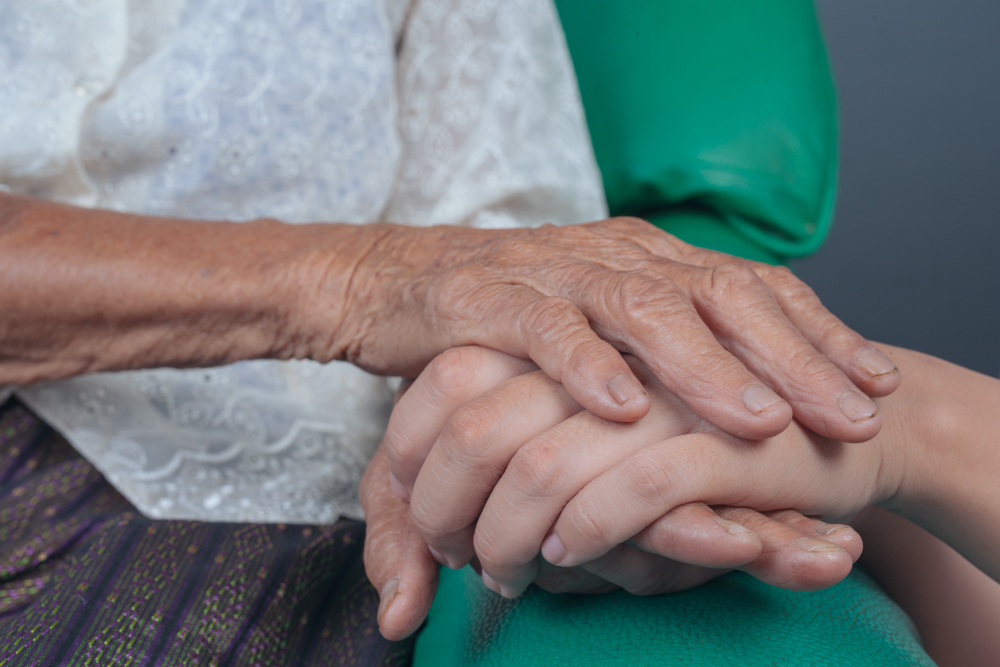
What Is Parkinson’s Disease?
Parkinson’s disease (PD) is a chronic movement disorder that happens when nerve cells in the brain, specifically those that produce dopamine, gradually break down or die. Dopamine is a chemical messenger that helps coordinate body movements. When dopamine levels drop, the brain can no longer control movement properly, leading to the symptoms of Parkinson’s.
According to the World Health Organization (WHO), Parkinson’s disease affects millions globally and leads to significant disability and the need for long-term care. While it’s most common in older adults, younger individuals can also develop PD. Men are affected more often than women.
Symptoms
Parkinson’s disease symptoms can vary for every individual. Early signs are often mild and easy to overlook, usually starting on one side of the body before spreading to both. Here are some of the most common symptoms to watch for:
- Tremor: A rhythmic shaking in the hands, fingers, jaw, or feet, often more noticeable when at rest.
- Slowed movement (bradykinesia): Everyday tasks such as getting dressed, walking, or standing up become slower and harder to do.
- Muscle stiffness: Muscles can feel tight, sore, and restrict movement.
- Posture and balance problems: Stooped posture and difficulty maintaining balance can lead to falls.
- Loss of automatic movements: People may blink less, stop smiling naturally, or fail to swing their arms while walking.
- Speech changes: The voice can become softer, monotone, or slurred.
- Small handwriting: Writing may appear cramped or smaller than usual (micrographia).
- Non-motor symptoms: Depression, anxiety, constipation, sleep disorders, fatigue, or trouble with memory and focus.
Causes and Risk Factors
The exact cause of Parkinson’s disease remains unclear. However, WHO reports several contributing factors:
- Genetic mutations: Certain genes have been linked to Parkinson’s, though they are rare unless several family members are affected.
- Environmental triggers: Long-term exposure to toxins such as pesticides or contaminated well water may increase the risk.
- Age and gender: The likelihood rises with age, and men are more affected than women.
Researchers also discovered that people with Parkinson’s have Lewy bodies, which are abnormal protein clumps in the brain. These contain a protein called alpha-synuclein, believed to play a major role in nerve cell damage and disease progression.
Possible Complications
As Parkinson’s disease progresses, it may lead to other complications, including:
- Cognitive decline or dementia
- Mood changes, such as depression and anxiety
- Difficulty swallowing or chewing, especially in advanced stages
- Sleep problems, including vivid dreams or acting out during sleep
- Low blood pressure, fatigue, pain, and reduced sense of smell
- Sexual difficulties, including decreased libido
Though these complications can sound overwhelming, medical treatment and lifestyle changes can greatly improve daily life.
Treatment
There’s currently no cure for Parkinson’s disease, but several treatments can help manage its symptoms:
- Medications: Drugs that increase or mimic dopamine can help control tremors and improve movement.
- Surgery (Deep Brain Stimulation): In some cases, doctors may recommend a surgical procedure that stimulates specific areas of the brain to control symptoms.
- Lifestyle changes: Regular exercise, a healthy diet, and adequate rest can make a significant difference in symptom management.
Can Parkinson’s Disease Be Prevented?
A recent study published suggests that lifestyle changes can do more than just ease the symptoms of Parkinson’s disease, they may actually help slow its progression. Consistent habits like staying active, eating a balanced diet, and managing stress not only improve daily well-being but may also offer long-term protection for the brain.
Here are a few habits that can make a difference:
- Engage in regular physical activity (walking, cycling, swimming).
- Maintain a balanced diet rich in fruits, vegetables, and healthy fats.
- Limit exposure to pollutants and toxic substances.
- Manage stress through mindfulness, relaxation, and social connection.
- Stay cognitively active through reading, puzzles, or learning new skills.
Parkinson’s disease affects millions of people and remains a major global health challenge. However, with early detection, medical care, and lifestyle management, individuals can live fulfilling and active lives. If you notice early signs like tremors, stiffness, or slowed movement, seek advice from a neurologist. The earlier you take action, the better your long-term outlook.
Sources
World Health Organization. (2023). Parkinson's disease.
Trinh, J., de Vries, N. M., Chan, P., Dekker, M. C. J., Helmich, R. C., & Bloem, B. R. (2025). The role of lifestyle interventions in symptom management and disease modification in Parkinson’s disease. The Lancet Neurology.
Mayo Clinic. (2024, September 27). Parkinson’s disease: Symptoms & causes